
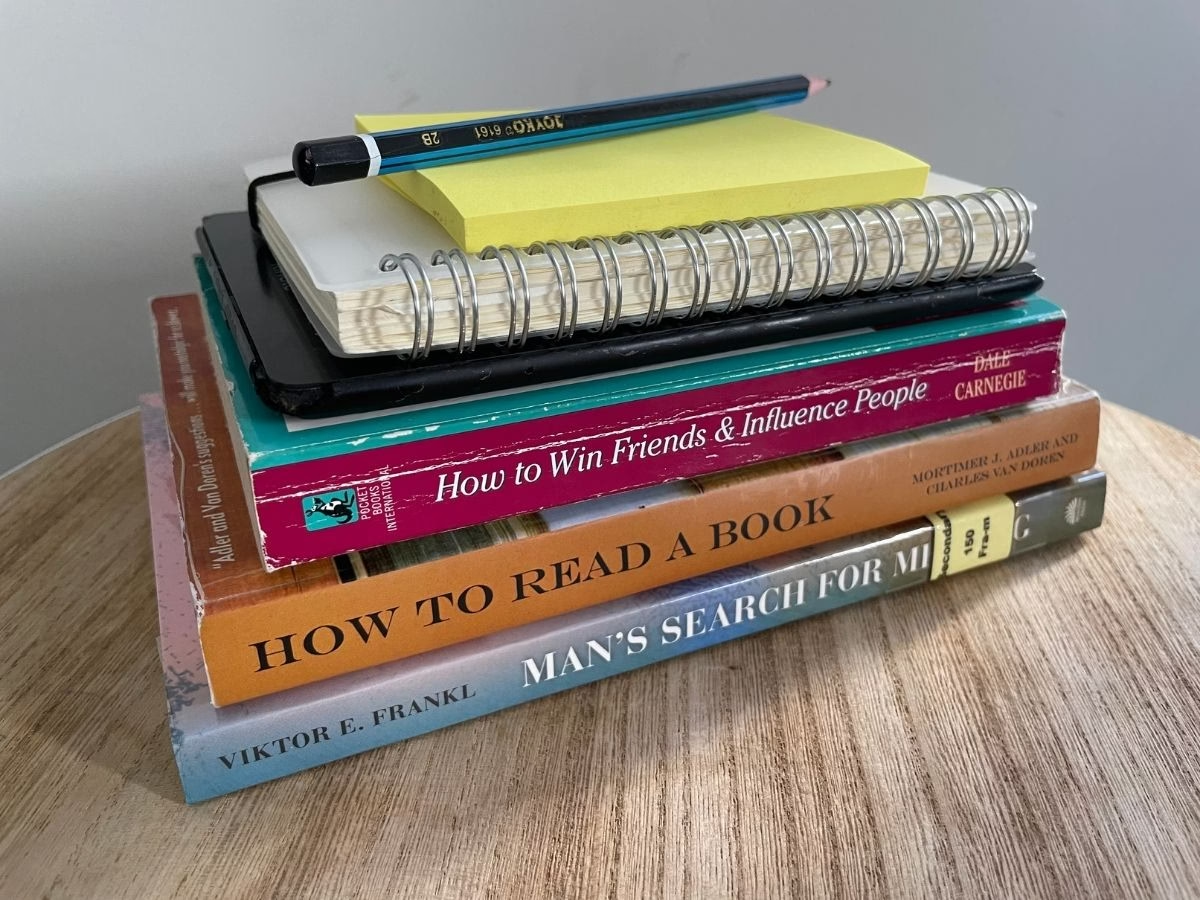

Turn Parallel Reading Theory Into Practice
You may have tried parallel reading before and struggled to find the right balance. Or maybe this is new to you and you’re excited about its potential.
Many of us lose reading momentum because we slip into passive reading. But reading becomes much more rewarding when it is active and intentional.
Parallel reading helps you move past the books that might normally slow you down. With more choice, you keep momentum and read more overall.
The biggest question here is: “Where do I start?” In my last post, I covered the benefits and myths of parallel reading. Now it’s time for practical steps.
What you’ll learn in this post:
- How to choose the right books for your rotation.
- How to balance learning and enjoyment without losing momentum.
- How to shift your mindset for long-term success.
These tips will help you introduce parallel reading into your life, whether you’re already a consistent reader or just starting your habit.
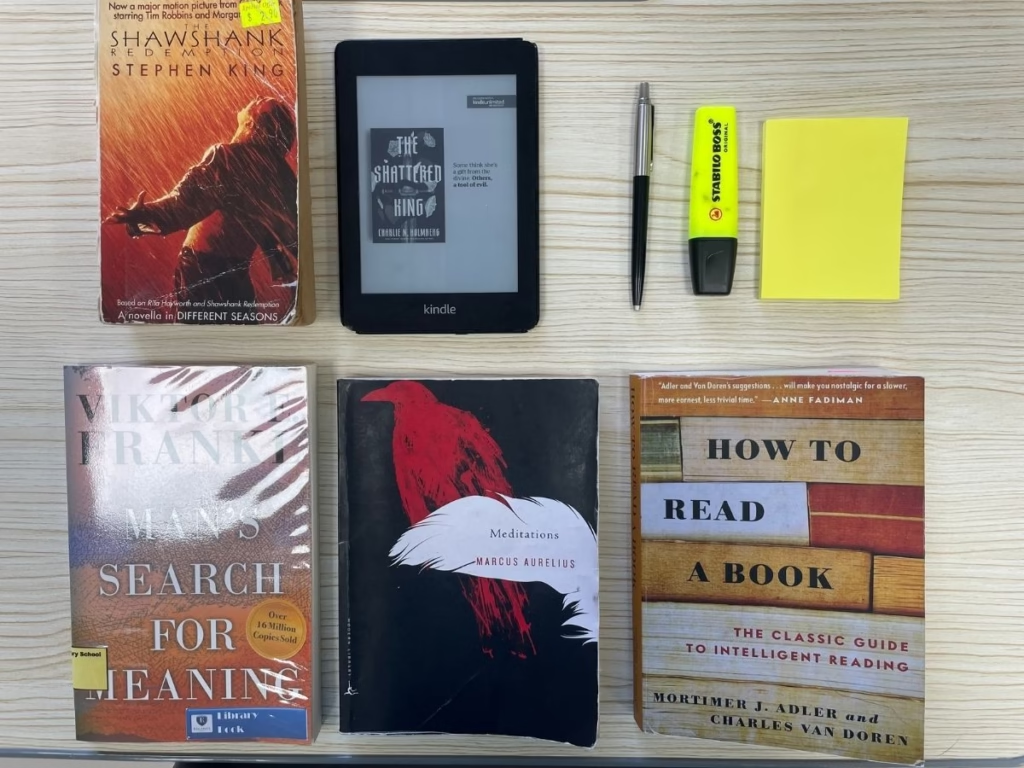
Introduce Parallel Reading to Your Routine
Build a Reading Rotation
When building your reading rotation, choose books from different genres. This keeps them clear in your mind and prevents details from blending together.
Separate genres allow you to pursue multiple interests at once. I divide my reading into 6 categories:
- Reflection: Philosophy that deepens thinking
- Motivation: Short, encouraging passages or poetry
- Education: Practical, skill-building books
- Health/Wellness: Self-help to support well-being
- Relationships: Self-help to strengthen connections
- Fiction: Fun stories to escape
I also divide my reading list into these categories. When I find a new book, I simply add it to the correct category so choosing my next read is simple.
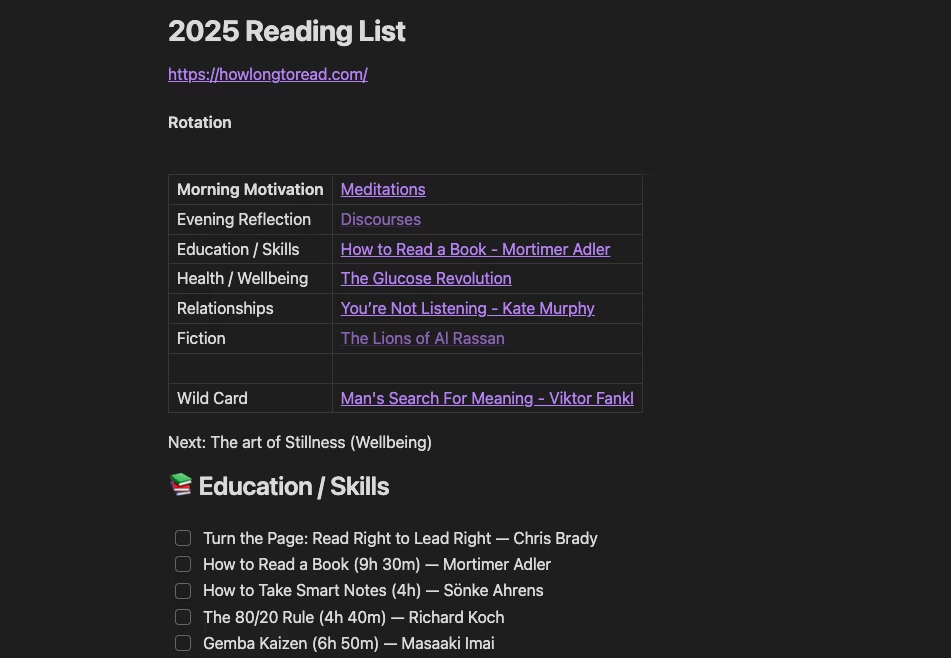
This variety gives me options that fit both my mood and the time I have available.
Anchor Books to Time and Place
Keep your chosen books within easy reach by linking them to specific places or times in your day where you have a few minutes free.
Habits are easier to maintain when they are tied to existing routines, a technique known as habit stacking. Place books where you naturally pause in your day.
Examples:
- By the kettle or coffee machine for a quiet morning read.
- On your desk at work for short breaks.
- On your bedside table to wind down at night.
Not every book needs a fixed place. I keep my e-reader in my bag so I always have something to read when a few minutes open up.
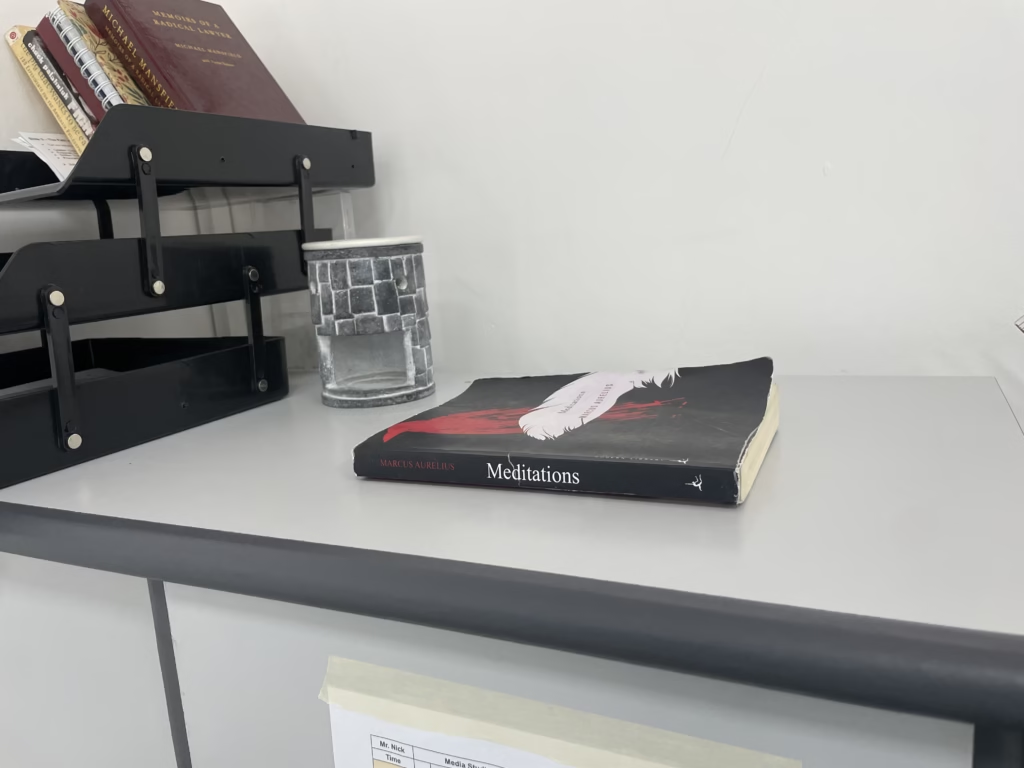
Tip: Keep a light read with short sections nearby for spare minutes. Reach for this instead of your phone, and it will soon feel natural.
Books or phone? This post shows the simple shift that makes reading your first choice.
Read With a Purpose
Before starting a book, ask yourself: “Why this one?” What do you hope to learn or change about yourself as you read?
Without a goal, your reading becomes passive and loses direction.
Your aim might be to learn a new skill, build stronger relationships, or push yourself to try something new. Or maybe you just want escapism away from your phone. Whatever the goal, write it down and keep it visible (a post-it note, notebook, or even your phone’s lock screen).
In How to Win Friends and Influence People, Dale Carnegie said growth begins by creating a deep desire for reading. He believed reading should always serve a purpose. That mindset makes parallel reading even more powerful.
Take Notes
Parallel reading already improves recall, but adding short notes and reflections makes what you read stick even better.
- Before Reading: Pause before you dive in. Spend a moment thinking about the previous chapter and how you used it in your life. Then check your previous notes.
- While Reading: Jot quick notes in the margin, a notebook, or on a post-it note. Ask questions, mark what stands out, or even challenge the author’s ideas. This keeps you actively engaged.
- After Reading: Summarise the key points while they’re fresh. Distill the main idea in a few short sentences or bullets. Later that night or the next day, test yourself to see what you still remember. Retrieval practice is one of the most effective activities to make information stick. (I cover retrieval practice in detail in this post.)
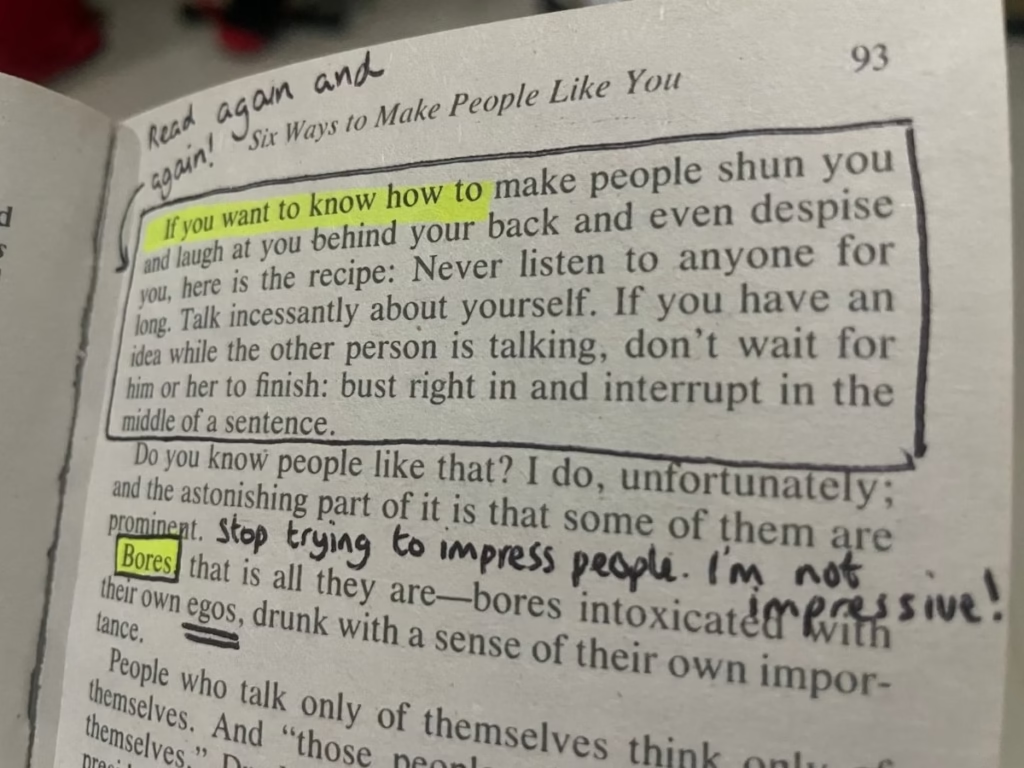
These activities combined might take around 5 extra minutes each day. But if you build them into your routine, they will soon feel like a natural part of your reading habit.
Manage Overwhelm
Begin with just 2 or 3 books. Once that feels manageable, add more, especially in new categories that interest you.
3 tips to make parallel reading stick:
Read regularly. Do not go too long without picking up each book.
Rule of thumb: At least once per week, though daily is even better.
Avoid bingeing. Reading too much of the same book at once makes it harder to remember earlier parts. Spacing your reading gives your mind time to process.
Rule of thumb: One chapter per book each day, except for fiction where you can keep going if you are absorbed.
Let go. It’s perfectly fine to abandon books that do not click. Moving on keeps your momentum alive.
Rule of thumb: Give a book 100 pages minus your age to convince you. Here are some more ideas for when you should give up on a book.
Change your Mindset
You get to define what a successful reading habit looks like. When I was younger, I thought success meant reading as many books as possible in a month or a year, no matter how much I remembered.
Now I know it’s not about how many books I finish, but how many lessons I learn and use in my life.
This shift changed how I saw ‘reading time’. I used to think it only counted when the book was in my hands, and that activities like note-taking or summarising took time away from reading.
I’ve realised that note-taking, summarising, and checking my understanding are all part of the process. My ‘reading time’ has become my ‘learning time’.
Your Next Step With Parallel Reading
You can be an active reader without parallel reading, and a parallel reader without reading actively. But when you combine the two, you create a habit that keeps your reading habit alive.
This way of reading fuels your curiosity and helps you hold onto ideas. The variety also sparks connections across books, turning loose thoughts into lasting insights.
At the start, I said most people don’t know where to begin. Now you have the tools to start. And every book you finish will guide you toward the next step in your journey.
Start now with 2 books:
- One for growth (to build skills, knowledge or insights)
- One for pleasure (to keep the habit enjoyable)
This simple step builds momentum faster than you expect.
Leave a Reply